
Principal Engineer
Microsoft is one of the world's great companies. The challenge is the sheer scale: you work on systems with hundreds of millions of users, and you have to stay aligned with thousands of colleagues across every time zone. It is an intense experience, and no other company I know comes close to that level of immersion. I honestly don't know where the last 10+ years went.
-
2024
Helping develop Oxidizer — the Rust Substrate services framework used to power some of Microsoft's most mission-critical services.
Wrote Oxidizer components and optimised performance, and worked with partner teams to replace existing C# services with Rust.
-
2022
Improved Windows-on-Arm for developers.
Wrote the Windows-on-Arm64 backend for the GNU toolchain, working closely with the upstream and downstream open-source compiler communities as a member developer on Linaro's compiler team. Along the way I got a solid grasp of the Arm architecture, and trained and coached developers on Arm and Qualcomm hardware across GPU, SIMD, CPU and NPU/DSP.
-
2020
Sabbatical in Australia.
-
2018
Led the Teams Desktop Development Team in Prague.
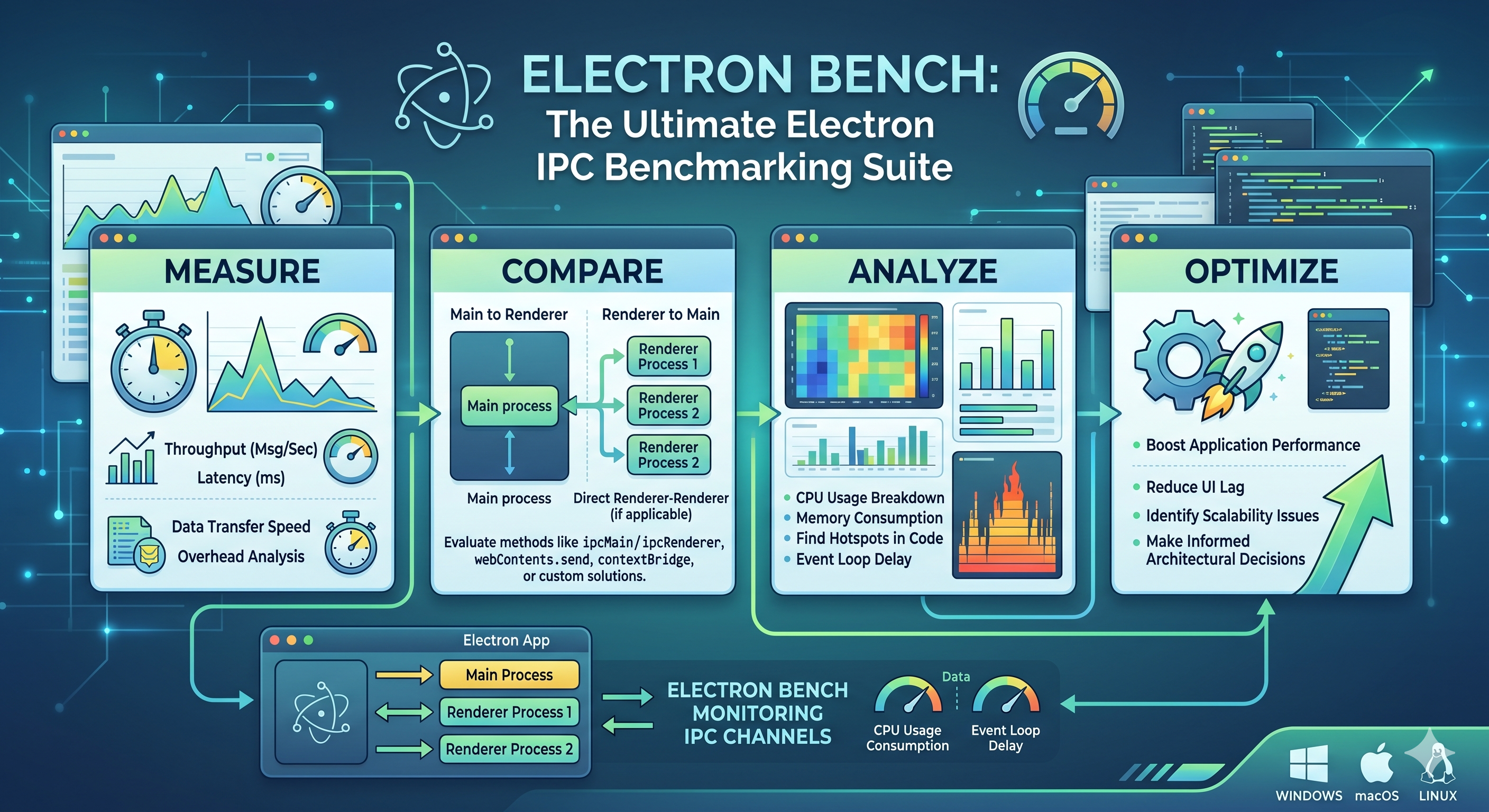
Owned the native desktop code in Microsoft Teams — Windows, Mac and Linux — the infrastructure behind over 200 million active users. I worked with more than 20 separate teams to enable platform-specific features, and led hardware video rendering in an internal fork of Chromium across CPU/GPU, Direct3D and OpenGL. I took desktop reliability from 99.9 to 99.99 by setting up a native crash SWAT team, and led Teams for Linux — the first Linux application in Microsoft Office. I also led Microsoft's engagement with the Electron open-source community, regularly attending events and joining the Electron administration board.
-
2015
Led development and optimisation of Skype user-data backend services.
Debian/C++ and Azure/C#, running at 50k TPS and serving hundreds of millions of users.
-
2013
Led a team (9 devs) building C/C++ NPAPI web browser plugins for video calling.
Powered Skype, Lync and Facebook video calling for tens of millions of users. Kept critical functionality available by successfully transitioning to WebRTC. Optimised video rendering using SIMD, Direct3D, OpenGL and other platform hardware support.